Transform Your Home with Custom Furniture Solutions
Creating a home that reflects your personal style and meets your functional needs can be a challenge. Off-the-shelf furniture often falls short, leaving you with pieces that don’t quite fit your space or aesthetic. Custom furniture solutions offer a way to transform your home into a personalized sanctuary. In this post, we will explore the benefits of custom furniture, the design process, and how to choose the right pieces for your home.

The Benefits of Custom Furniture
Unique Design
One of the most significant advantages of custom furniture is the ability to create unique designs that reflect your personal style. Unlike mass-produced items, custom pieces can be tailored to your specific tastes, whether you prefer modern minimalism, rustic charm, or eclectic flair.
Perfect Fit
Custom furniture is designed to fit your space perfectly. Whether you have an oddly shaped room or specific dimensions to consider, custom solutions ensure that every piece fits seamlessly into your home. This is particularly beneficial for small spaces where maximizing functionality is crucial.
Quality Craftsmanship
When you opt for custom furniture, you often receive higher quality materials and craftsmanship. Skilled artisans take the time to create durable, well-constructed pieces that can withstand the test of time. This investment in quality can save you money in the long run, as you won’t need to replace furniture as frequently.
Personalization
Custom furniture allows for a high degree of personalization. You can choose everything from the materials and colors to the finishes and hardware. This level of customization ensures that your furniture not only meets your functional needs but also aligns with your aesthetic preferences.
Sustainability
Many custom furniture makers prioritize sustainability by using responsibly sourced materials and eco-friendly practices. By choosing custom, you can support local artisans and reduce your carbon footprint compared to purchasing mass-produced items.
The Design Process
Initial Consultation
The first step in creating custom furniture is an initial consultation with a designer or craftsman. During this meeting, you’ll discuss your vision, needs, and budget. It’s essential to communicate your ideas clearly, as this will guide the design process.
Concept Development
After the consultation, the designer will create concept sketches or 3D renderings of your furniture. This stage allows you to visualize the final product and make any necessary adjustments before moving forward. Don’t hesitate to provide feedback; this is your opportunity to refine the design.
Material Selection
Once the design is finalized, you’ll select materials. Consider factors such as durability, maintenance, and aesthetics. High-quality woods, fabrics, and finishes can significantly impact the overall look and feel of your furniture.
Production
After finalizing the design and materials, the production phase begins. Skilled craftsmen will bring your vision to life, often taking several weeks to complete the piece. During this time, you may receive updates or photos of the progress.
Delivery and Installation
Once your custom furniture is complete, it will be delivered and installed in your home. Many custom furniture makers offer white-glove delivery service, ensuring that your new pieces are set up correctly and safely.
Choosing the Right Custom Furniture for Your Home
Assess Your Space
Before diving into custom furniture, assess your space. Measure your rooms and consider the layout. Think about how you want to use each area and what furniture will best serve those functions.
Define Your Style
Identify your design style. Browse through magazines, websites, and social media platforms for inspiration. Create a mood board that captures the colors, materials, and styles you love. This will help guide your decisions throughout the process.
Set a Budget
Custom furniture can vary significantly in price, so it’s essential to set a budget before starting the design process. Be realistic about what you can afford, and remember that investing in quality pieces can pay off in the long run.
Collaborate with a Designer
Working with a designer can streamline the process and ensure that your vision is realized. A professional can offer valuable insights, suggest materials, and help you navigate the complexities of custom furniture design.
Consider Functionality
While aesthetics are important, functionality should also be a priority. Think about how you will use each piece of furniture and ensure that it meets your practical needs. For example, if you have a small living room, consider a custom coffee table with built-in storage.
Examples of Custom Furniture Solutions
Custom Sofas
A custom sofa can be designed to fit your space perfectly, with options for fabric, color, and style. Whether you prefer a sleek modern look or a cozy traditional design, a custom sofa can enhance your living room's comfort and aesthetic.
Built-in Shelving
Built-in shelving is an excellent way to maximize storage while adding character to your home. Custom shelves can be designed to fit any wall, providing a unique solution for displaying books, decor, and personal items.
Dining Tables
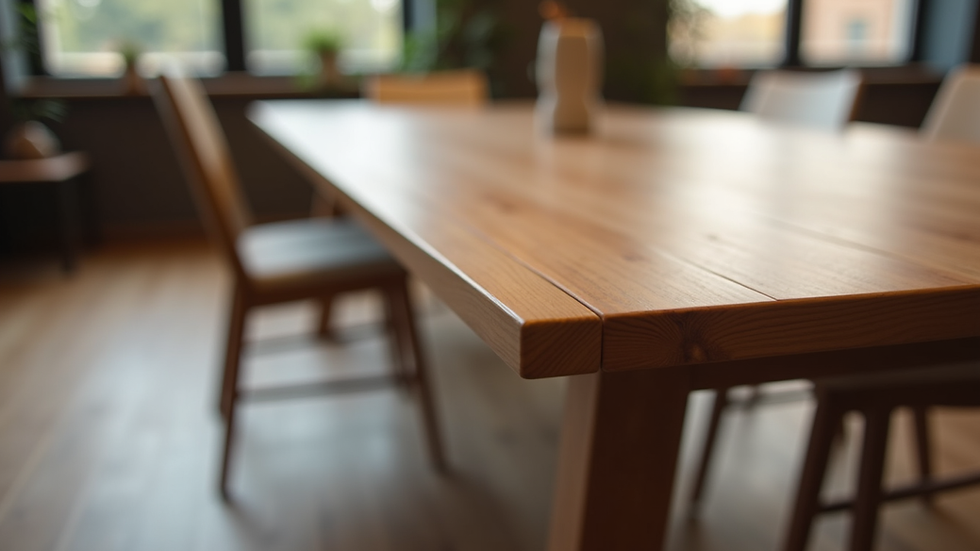
A custom dining table can become the centerpiece of your dining area. Choose the size, shape, and materials that suit your style and needs. Whether you prefer a rustic farmhouse table or a sleek modern design, a custom dining table can elevate your dining experience.
Bedroom Furniture
Custom bedroom furniture, such as bed frames, nightstands, and dressers, can create a cohesive and personalized look. Consider incorporating unique features like built-in lighting or hidden storage to enhance functionality.
Office Furniture
In a home office, custom furniture can improve productivity and comfort. Design a desk that fits your workflow, with options for cable management and storage solutions. Custom office furniture can help create an inspiring workspace tailored to your needs.
Maintenance and Care for Custom Furniture
Regular Cleaning
To keep your custom furniture looking its best, establish a regular cleaning routine. Dust surfaces frequently and use appropriate cleaning products for the materials used. For example, wood furniture may require a specific wood cleaner, while upholstered pieces may need vacuuming or spot cleaning.
Protect from Damage
Take precautions to protect your furniture from damage. Use coasters under drinks, avoid placing hot items directly on surfaces, and consider using fabric protectors on upholstered pieces.
Periodic Maintenance
Depending on the materials used, your custom furniture may require periodic maintenance. For instance, wood furniture may need to be refinished every few years to maintain its appearance, while leather upholstery may benefit from conditioning treatments.
Repair and Restoration
If your custom furniture sustains damage, seek professional repair services. Many custom furniture makers offer restoration services, ensuring that your pieces can be repaired and maintained for years to come.
Conclusion
Transforming your home with custom furniture solutions is an investment in both style and functionality. By choosing pieces that reflect your personal taste and fit your space perfectly, you can create a home that feels uniquely yours. Whether you’re looking for a stunning dining table, a cozy sofa, or practical built-in shelving, custom furniture offers endless possibilities. Start your journey today by exploring your options and collaborating with skilled artisans to bring your vision to life. Your dream home is just a custom piece away!

Comments