Custom Furniture Design: Tailored for Your Unique Space
Creating a home that reflects your personality and meets your functional needs can be a daunting task. One of the most effective ways to achieve this is through custom furniture design. Unlike mass-produced items, custom pieces are tailored specifically for your space, style, and requirements. This blog post will explore the benefits of custom furniture, the design process, and how to choose the right pieces for your home.
Understanding Custom Furniture Design
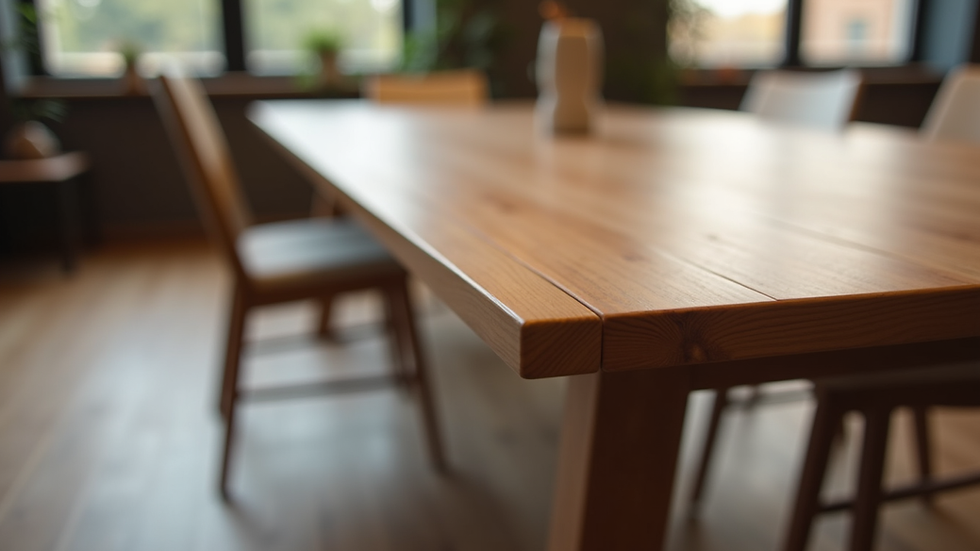
Custom furniture design is the process of creating furniture that is specifically made to fit your space and style preferences. This can include anything from a unique coffee table to an entire suite of living room furniture. The beauty of custom furniture lies in its ability to cater to your specific needs, ensuring that every piece is functional, aesthetically pleasing, and perfectly suited to your home.
Benefits of Custom Furniture
Personalization
Custom furniture allows you to express your individuality. You can choose the materials, colors, and designs that resonate with your personal style. Whether you prefer modern minimalism or rustic charm, custom pieces can be tailored to reflect your taste.
Perfect Fit
One of the primary advantages of custom furniture is that it can be designed to fit your space perfectly. This is especially beneficial for homes with unusual layouts or dimensions. Custom pieces can maximize your space, ensuring that every corner is utilized effectively.
Quality Craftsmanship
Custom furniture is often made by skilled artisans who take pride in their work. This means you can expect higher quality materials and construction compared to mass-produced items. Investing in custom furniture often results in pieces that are more durable and long-lasting.
Functionality
Custom furniture can be designed with specific functions in mind. For example, if you need additional storage in your living room, a custom coffee table with built-in drawers can solve that problem while adding style to your space.
Sustainability
Many custom furniture makers prioritize sustainable practices, using eco-friendly materials and processes. By choosing custom, you can support local artisans and reduce your carbon footprint.
The Custom Furniture Design Process
Creating custom furniture involves several steps, each crucial to ensuring the final product meets your expectations.
Step 1: Initial Consultation
The process typically begins with an initial consultation with a designer or craftsman. During this meeting, you will discuss your vision, needs, and budget. It's essential to communicate your ideas clearly, as this will guide the design process.
Step 2: Design Development
Once your ideas are gathered, the designer will create sketches or digital renderings of the proposed furniture. This stage allows you to visualize the piece and make any necessary adjustments before moving forward. Be open to suggestions from the designer, as they may have valuable insights based on their experience.
Step 3: Material Selection
Choosing the right materials is critical in custom furniture design. You will have the opportunity to select from various woods, fabrics, and finishes. Consider factors such as durability, maintenance, and how the materials will complement your existing decor.
Step 4: Construction
After finalizing the design and materials, the construction phase begins. Skilled artisans will craft your furniture, paying close attention to detail to ensure a high-quality finish. This stage can take time, so be patient as your unique piece comes to life.
Step 5: Delivery and Installation
Once your custom furniture is complete, it will be delivered and installed in your home. Depending on the complexity of the piece, installation may require professional assistance to ensure everything is set up correctly.
Choosing the Right Custom Furniture for Your Home
When selecting custom furniture, consider the following factors to ensure you make the best choices for your space.
Assess Your Space
Before diving into design, take a close look at your space. Measure the dimensions of the area where the furniture will go, and consider the flow of the room. This will help you determine the size and scale of the pieces you need.
Define Your Style
Think about the overall aesthetic you want to achieve in your home. Browse design magazines, websites, or social media platforms for inspiration. Create a mood board to visualize your ideas and share it with your designer.
Prioritize Functionality
Consider how you will use the furniture. Will it serve multiple purposes? For example, a custom ottoman can double as seating and storage. Prioritizing functionality will help you create a space that is both beautiful and practical.
Set a Budget
Custom furniture can vary significantly in price, so it's essential to establish a budget early in the process. Discuss your budget with your designer to ensure they can create pieces that meet your financial constraints without compromising quality.
Collaborate with a Designer
Working with a professional designer can streamline the custom furniture process. They can provide valuable insights, help you navigate material choices, and ensure that the final product aligns with your vision.
Real-Life Examples of Custom Furniture Success
To illustrate the impact of custom furniture design, here are a few real-life examples of how tailored pieces transformed spaces.
Example 1: A Cozy Reading Nook
In a small apartment, a couple wanted to create a cozy reading nook in an underutilized corner. They collaborated with a designer to create a custom-built bookshelf that fit perfectly in the space. The bookshelf not only provided storage for their books but also included a comfortable window seat, making it the perfect spot for relaxation.
Example 2: A Multi-Functional Dining Table
A family with limited dining space needed a table that could accommodate both everyday meals and larger gatherings. They worked with a craftsman to design a custom dining table that could extend when needed. The table was crafted from reclaimed wood, adding character and sustainability to their home.
Example 3: A Stylish Home Office
With more people working from home, a homeowner sought to create a functional and stylish home office. They commissioned a custom desk that included built-in storage and cable management. The desk was designed to fit seamlessly into the existing decor, providing a dedicated workspace without sacrificing style.
Tips for Maintaining Custom Furniture
Once you've invested in custom furniture, it's essential to take care of it to ensure its longevity. Here are some tips for maintaining your pieces:
Regular Cleaning
Dust your furniture regularly with a soft cloth to prevent buildup. For upholstered pieces, vacuuming can help keep fabrics looking fresh.
Avoid Direct Sunlight
Protect your furniture from direct sunlight, which can cause fading and damage over time. Consider using window treatments to shield your pieces.
Use Coasters and Placemats
To prevent scratches and stains, always use coasters for drinks and placemats for food. This simple step can help maintain the appearance of your furniture.
Follow Care Instructions
If your custom furniture comes with specific care instructions, be sure to follow them. Different materials may require different cleaning methods.
Schedule Professional Maintenance
For more complex pieces, such as leather or intricate woodwork, consider scheduling professional maintenance to keep them in top condition.
Conclusion
Custom furniture design offers a unique opportunity to create pieces that are tailored specifically for your home and lifestyle. By understanding the benefits, the design process, and how to choose the right pieces, you can transform your space into a reflection of your personality and needs. Whether you're looking for a statement piece or functional furniture, custom design can elevate your home to new heights.
Take the first step toward creating your dream space by exploring custom furniture options today. Your home deserves to be as unique as you are.


Comments